

Religious Epistemology
How can the humblest among us invert traditional hierarchies by sensing truth through deep faith? Lessons on the Eucharist deepen our sense of God living within us while trusting God’s Word secures belief in His power. Hear the call to reflect on these ideas to see your own journey to God from a fresh perspective.
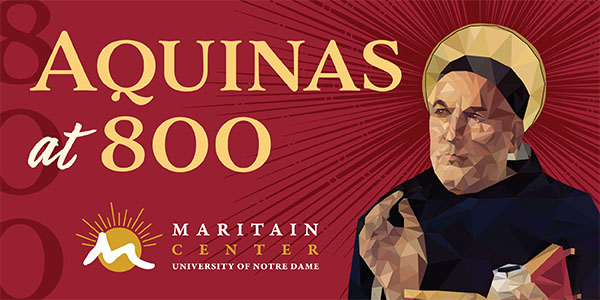
The comprehensive and systematic character of Thomas Aquinas’ thought has for centuries informed inquiry into questions of human dignity, freedom, economic development, work, poverty, the environment, and other issues of global significance. Celebrate the 800th anniversary of the birth of Thomas Aquinas, exploring the ongoing importance of his thought to contemporary cultural, philosophical, and theological discussions. In gathering many of the most accomplished contemporary scholars of Aquinas’ thought from throughout the world working on themes in Ethics, Metaphysics, Epistemology, Anthropology, Political Theory, Christology, Trinitarian Theology, Sacramental Theology and Ecclesiology, among others, this series promotes fruitful interchange of diverse perspectives on the importance of Aquinas in the world today.
More Like This
Related PostsLet your curiosity roam! If you enjoyed the insights here, we think you might enjoy discovering the following publications.

Jewish-Catholic Relations and Germany’s Social Memory
Dante Among Theologians
History of Philosophy

Fr. Ted Said… Cultivating Hope
Bridging God and Modernity
The Theological Imagination