

The Honesty Crisis

Listen in for a conversation with Wake Forest philosophy professor and author Christian Miller as he shares his inspiration to study honesty, the state of truth in modern culture, and the vital message behind his book, The Honesty Crisis—a compelling guide to preserving our most treasured virtue in an increasingly dishonest world.
Experience the Event
Listen in for a conversation with Wake Forest philosophy professor and author Christian Miller as he shares his inspiration to study honesty, the state of truth in modern culture, and the vital message behind his book, The Honesty Crisis—a compelling guide to preserving our most treasured virtue in an increasingly dishonest world.
Learn more at the Virtues & Vocations website.
Want more Virtues & Vocations? Click here to check out the full series.
Register to receive emails about Virtues & Vocations below.
MoreMeet the Speaker: Christian Miller
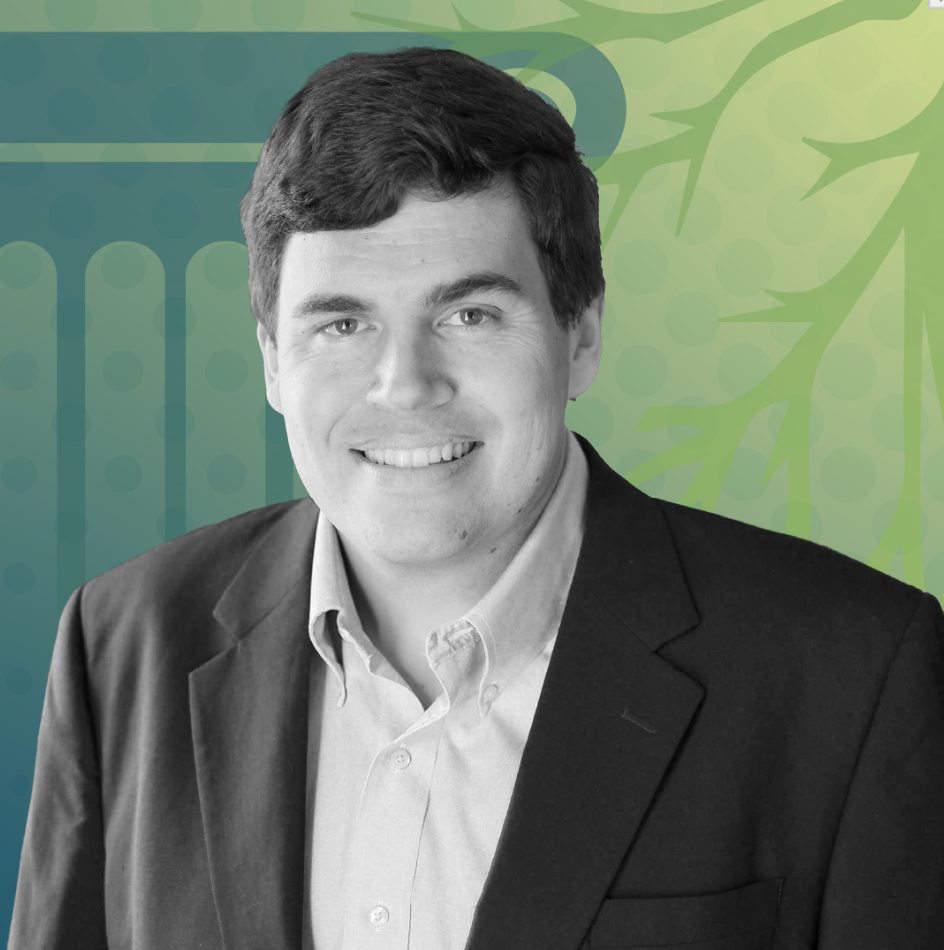
Christian Miller is the A. C. Reid Professor of Philosophy at Wake Forest University. He was the Philosophy Director of the Beacon Project (www.moralbeacons.org), funded by the Templeton Religion Trust, and Director of the Character Project (www.thecharacterproject.com), funded by the John Templeton Foundation and Templeton World Charity Foundation. He is the author of over 120 academic papers as well as Moral Psychology with Cambridge University Press (2021) and four books with Oxford University Press, Moral Character: An Empirical Theory (2013), Character and Moral Psychology (2014), The Character Gap: How Good Are We? (2017), Honesty: The Philosophy and Psychology of a Neglected Virtue (2021), and The Honesty Crisis: Preserving Our Most Treasured Virtue in an Increasingly Dishonest World (2026). He is also the editor or co-editor of Essays in the Philosophy of Religion (Oxford University Press), Character: New Directions from Philosophy, Psychology, and Theology (Oxford University Press), Moral Psychology, Volume V: Virtue and Character (MIT Press), Integrity, Honesty, and Truth Seeking (Oxford University Press), and The Continuum Companion to Ethics (Continuum Press).
The Honesty Crisis: Preserving Our Most Treasured Virtue in an Increasingly
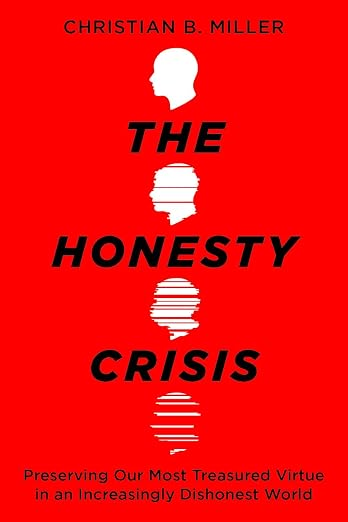
Honesty is our most treasured virtue. Research has found that honesty is the single most important characteristic a person can possess when it comes to liking them, respecting them, and understanding them. But honesty is eroding at a frightening rate in many areas of society today, as we are confronted with a number of honesty crises. The frequency of deepfakes has skyrocketed, now that they are simple to make and untraceable. In our relationships, with the easy availability of online pornography, anonymous chatrooms, and infidelity websites like Ashley Madison, cheating in a relationship has never been easier. In education, many students are using AI to complete their writing assignments with little chance of detection. In politics, social media helps with the dissemination of fake news, and polarization reduces our tendency to condemn political dishonesty if it aligns with our own views. In public spaces, it is easier to become a celebrity than it has ever been in human history, and yet celebrity encourages greater dishonesty. In religion, religious leaders are increasingly confronted by temptations to plagiarize sermon material from the Internet and AI.
For more information, click here.
The Character Gap: How Good Are We? (Philosophy in Action)
We like to think of ourselves, our friends, and our families as decent people. We may not be saints, but we are still honest, relatively kind, and mostly trustworthy. Miller argues here that we are badly mistaken in thinking this. Hundreds of recent studies in psychology tell a different story: that we all have serious character flaws that prevent us from being as good as we think we are – and that we do not even recognize that these flaws exist. But neither are most of us cruel or dishonest. Instead, Miller argues, we are a mixed bag. On the one hand, most of us in a group of bystanders will do nothing as someone cries out for help in an emergency. Yet it is also true that there will be many times when we will selflessly come to the aid of a complete stranger – and resist the urge to lie, cheat, or steal even if we could get away with it. Much depends on cues in our social environment. Miller uses this recent psychological literature to explain what the notion of “character” really means today, and how we can use this new understanding to develop a character better in sync with the kind of people we want to be.
For more information, click here.
Moral Character: An Empirical Theory
Christian Miller presents a new account of moral character. Most of our friends, colleagues, and even family members are not virtuous people. They do not have virtues such as compassion, honesty, or courage. But at the same time, they are not vicious people either. They do not have vices such as cruelty, dishonesty, or cowardice. Instead most people today have characters which do not qualify as either virtuous or vicious. They have many positive moral features, but also many negative ones too. Our characters are decidedly mixed, and are much more complex than we might have thought.
For more information, click here.