

A Conversation with Javier Zamora

Listen in to an oral history conversation with celebrated poet and child migrant survivor Javier Zamora, about his transformative journey. Interviewed by Francisco Robles, associate professor in the Department of English at Notre Dame, they discuss how Zamora’s keen observational eye, forged in a childhood immersed in nature, became a tool for survival, and how he channels trauma and identity into powerful art and uncompromising advocacy.
Experience the Episode
Presented by Institute for Latino Studies
Listen in to an oral history conversation with celebrated poet and child migrant survivor Javier Zamora, about his transformative journey. Interviewed by Francisco Robles, associate professor in the Department of English at Notre Dame, they discuss how Zamora’s keen observational eye, forged in a childhood immersed in nature, became a tool for survival, and how he channels trauma and identity into powerful art and uncompromising advocacy.
For more information on Letras Latinas at the Institute for Latino Studies, please visit the Letras Latinas website.
Meet the Faculty: Francisco Robles
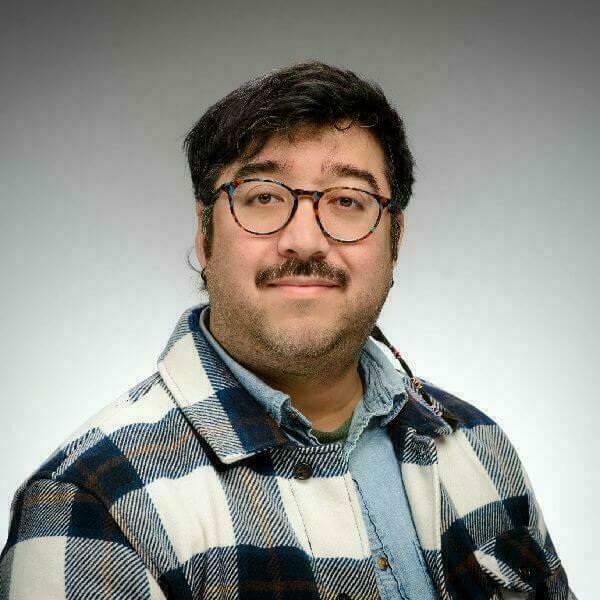
Francisco Eduardo Robles teaches and researches American Literatures (particularly Multiethnic American Literature) of the twentieth century.
His book, Coalition Literature: Aesthetics on the Move in Midcentury US Multiethnic Writing, examines mid-twentieth century literary and musical representations of migration, labor, and protest in the United States. Coalition Literature traces a distinctive genealogy of coalitional aesthetics focused on migration, providing significant literary theoretical and literary historical treatment works by Zora Neale Hurston, Muriel Rukeyser, Sanora Babb, Carlos Bulosan, Woody Guthrie, Gwendolyn Brooks, Memphis Sanitation Strike poet-activists, Tomás Rivera, and the authors included in This Bridge Called My Back. The aesthetic innovation these works display emerges from the particular methods of speaking with that they contain, whether it’s overcoming exclusion by finding new ways of representing migrants through word and sound, or in the ways these authors conceive of migrancy as a modality that necessitates innovation. The lineage of coalitional aesthetics, present in American midcentury multiethnic writing, sustained and indeed extended the Popular Front and its legacies.
He is a co-convener of the Desert Futures Collective, an editor at Post45: Contemporaries, and he is currently working on two distinct projects: the first on Latinx poetry and its reimagining of elegy’s scalar possibilities, and the other on desert spaces in literature.
At Notre Dame, he has taught a variety of classes on topics including US Literature (especially in African American and Latinx Literature), Migration, Queer Literature and Film, Contemporary Poetry and Prose, and the debates around the Great American Novel.
Meet the Poet: Javier Zamora
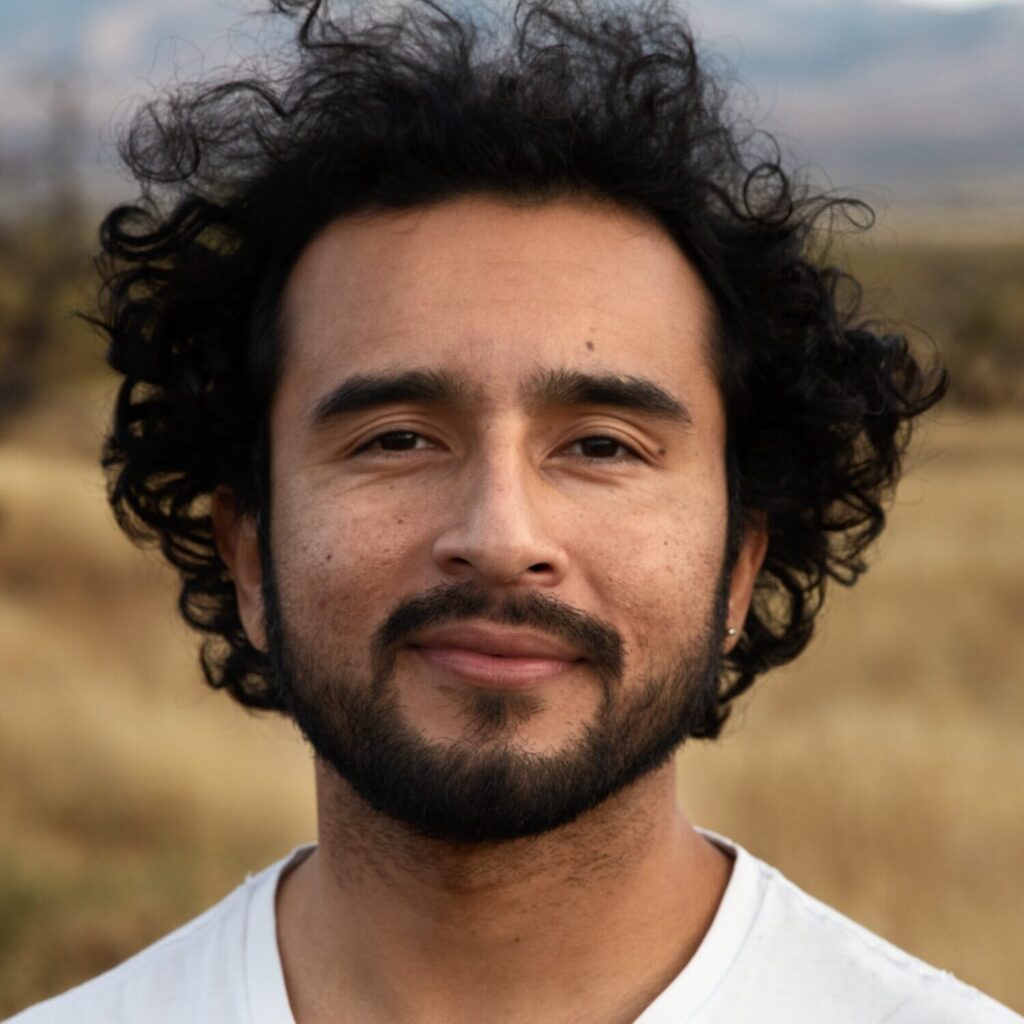
Javier Zamora, member of the recently formed Letras Latinas Faculty Advisory Circle, was born in La Herradura, El Salvador in 1990. When he was a year old, his father fled El Salvador due to the US-funded Salvadoran Civil War (1980-1992). His mother followed her husband’s footsteps in 1995 when Javier was about to turn five. Zamora was left at the care of his grandparents who helped raise him until he migrated to the US when he was nine. His first poetry collection, Unaccompanied (Copper Canyon Press, September 2017), explores some of these themes.
In his debut New York Times bestselling memoir, SOLITO (Hogarth, September 2022), Javier retells his nine-week odyssey across Guatemala, Mexico, and eventually through the Sonoran Desert. He travelled unaccompanied by boat, bus, and foot. After a coyote abandoned his group in Oaxaca, Javier managed to make it to Arizona with the aid of other migrants.
Zamora is the winner of a 2024 Whiting Fellowship and the 2022 LA Times-Christopher Isherwood Prize. He holds fellowships from CantoMundo, Colgate University (Olive B. O’Connor), MacDowell, Macondo, the National Endowment for the Arts, Poetry Foundation (Ruth Lilly), Stanford University (Stegner), and Yaddo. He is the recipient of a 2018-2019 Radcliffe Fellowship at Harvard University, a 2017 Lannan Literary Fellowship, the 2017 Narrative Prize, the 2016 Barnes & Noble Writer for Writers Award for his work in the Undocupoets Campaign.
Javier lives in Tucson, AZ, where he volunteers with Salvavision, The Kino Border Initiative, and The Florence Project.