

Educating for Good with Angel Adams Parham
As part of the Virtues & Vocations series Education for Flourishing: Conversations on Character & the Common Good, we are pleased to welcome Angel Adams Parham, associate professor of sociology and a senior fellow with the Institute for Advanced Study at the University of Virginia. She is the author of The Black Intellectual Tradition: Reading Freedom in Classical Literature. Consider how questions of moral purpose and character are integral to education.
Experience the Event
Monday, September 16, 2024 12:00 pm

As part of the Virtues & Vocations series Education for Flourishing: Conversations on Character & the Common Good, we are pleased to welcome Angel Adams Parham, associate professor of sociology and a senior fellow with the Institute for Advanced Study at the University of Virginia. She is the author of The Black Intellectual Tradition: Reading Freedom in Classical Literature. Consider how questions of moral purpose and character are integral to education. This event was recorded on Monday, September 16, 2024. Learn more at the Virtues & Vocations website.
Register to receive emails about Virtues & Vocations below.
MoreMeet the Speaker: Angel Adams Parham
Angel Adams Parham is an associate professor of sociology and a senior fellow with the Institute for Advanced Study at the University of Virginia. She is the author of The Black Intellectual Tradition: Reading Freedom in Classical Literature. She works in historical sociology, engaging the past to better understand how to live well in the present and envision wisely for the future. At the heart of her research are questions such as “What is a good society?” and “What kinds of social arrangements are most conducive to human flourishing?” She is the co-founder and Executive Director of Nyansa Classical Community, which provides curricula and programming for elementary aged students from diverse backgrounds. Nyansa describes its purpose as “inviting students to take part in the Great Conversation, cultivating moral imagination, and pursuing truth, goodness, and beauty.”
The Black Intellectual Tradition: Reading Freedom in Classical Literature by Angel Adams Parham and Anika Prather
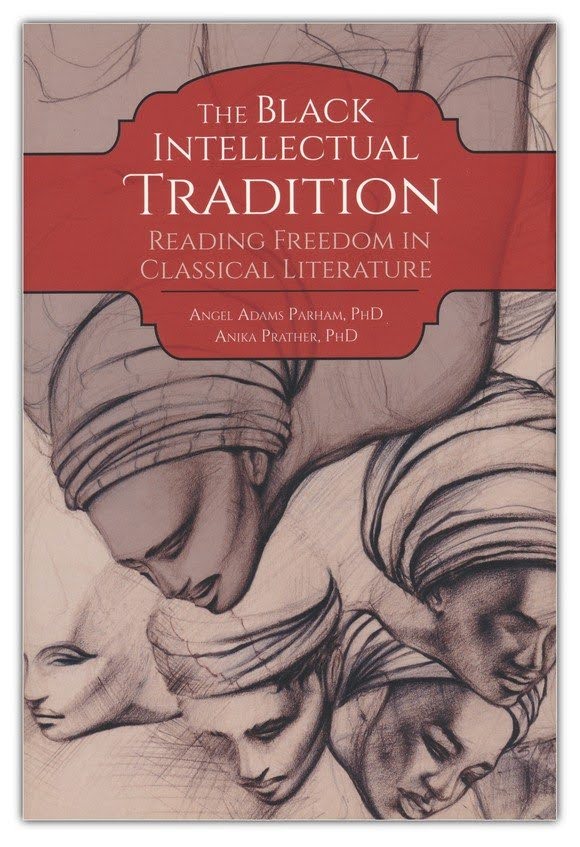
From the publisher: The powerful legacy of classical education among Black intellectuals and teachers in America is a national treasure with the capacity to bless teachers and students the world over! In The Black Intellectual Tradition, authors Dr. Anika Prather and Dr. Angel Parham introduce us to readers, writers, teachers, artists, and people of action who loved, taught, and put into practice the wisdom and virtue of the great voices who came before. These Black educators and intellectuals, while living with the injustices and hardships that gave them unique insights, mined the tradition, weaving it together with their African and African American heritage to create a new narrative that would aid all people in understanding injustice and was thus integral to the fight for liberation and equality. In the process, they brought to light a wealth of truth, goodness, and beauty from within the great tradition.
For more information, click here.
Vocation and Moral Imagination (Hedgehog Review)
Excerpt: “ To dwell in possibility is to resist the temptation to stay within the narrow course of life drawn out for us: to go to school and make good grades so that you can get the job that pays for the affluent lifestyle everyone else aspires to. Certainly, there is nothing inherently wrong with this picture. But is that all there is? Is there no larger vision of life for which we might be willing to sacrifice some comfort and security? The pursuit of any such larger vision requires, I submit, the moral imagination.”
For more information and to read the full article, please click here.
Inside Nyansa Classical Community (Plough)
Excerpt: Nyansa Classical Community was founded to bring classical learning and literature to young people of diverse backgrounds who are unlikely to be introduced to this tradition in any other way. Because much of our work has been with children of African descent, it was important to us early on to weave together the classics with the history and culture of Black authors and artists.
For more information and to read the full article, please click here.