

A Conversation with Ruben Reyes, Jr.

Listen in to a conversation with author Ruben Reyes, Jr.. interviewed by Notre Dame Ph.D. student Paulina Hernandez-Trejo, that resonates with the pulse of Salvadoran history, illuminating how memory transcends trauma through the architecture of speculative fiction.
Experience the Episode
Presented by Institute for Latino Studies
Listen in to a conversation with author Ruben Reyes, Jr.. interviewed by Notre Dame Ph.D. student Paulina Hernandez-Trejo, that resonates with the pulse of Salvadoran history, illuminating how memory transcends trauma through the architecture of speculative fiction. Be transported to a many-faceted border landscape where digital artifacts and ancestral legacies collide, offering a profound understanding of how imagination can refine our collective past into a resilient future.
For more information on Letras Latinas at the Institute for Latino Studies, please visit the Letras Latinas website.
Meet the Author: Ruben Reyes, Jr.
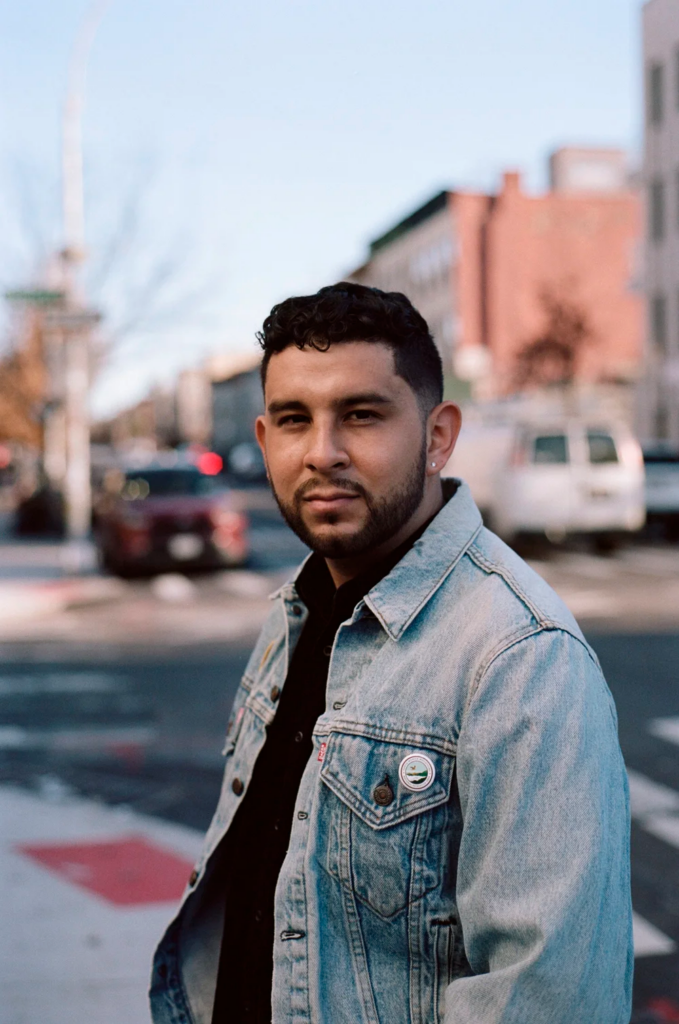
Ruben Reyes Jr. is the son of two Salvadoran immigrants. He completed his MFA in fiction at the Iowa Writers’ Workshop.
He is a graduate of Harvard College where he studied History and Literature and Latinx Studies. His writing has appeared in The New York Times, The Boston Globe, The Washington Post, AGNI, BOMB Magazine, Lightspeed Magazine, LitHub, and other publications. In 2026, he was named a Forbes 30 under 30.
His debut story collection, There is a Rio Grande in Heaven, was a finalist for The Story Prize, and longlisted for the the PEN/Faulkner Award for Fiction, the Carnegie Medal for Excellence, the Aspen Words Literary Prize, and the New American Voices Award. Archive of Unknown Universes is his first novel. Originally from Southern California, he lives in Queens.
Meet the Researcher: Paulina Hernández-Trejo

Paulina Hernández-Trejo is an English Ph.D. student at the University of Notre Dame. As a transfronteriza from the El Paso/Juárez Borderland region in Texas and Chihuahua, she is intrigued by the legal, emotional, social, and haunting complexities in U.S. immigration and migration history. Her literary research focuses on the haunting presences that illuminate the underlying socio-historical complexities of the Borderlands in 20th and 21st-century Black, Indigenous, and Latinx literatures. Further, she is a digital humanist and uses digital methodologies to conduct literary cartographic analyses and create digital archival representations of marginalized histories.